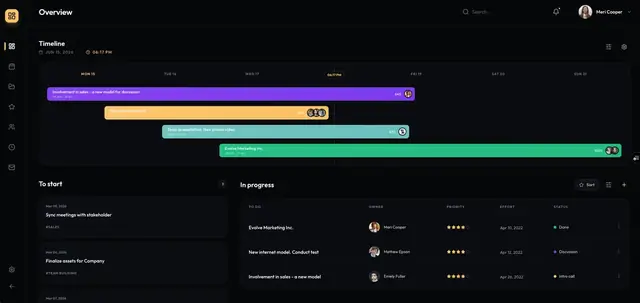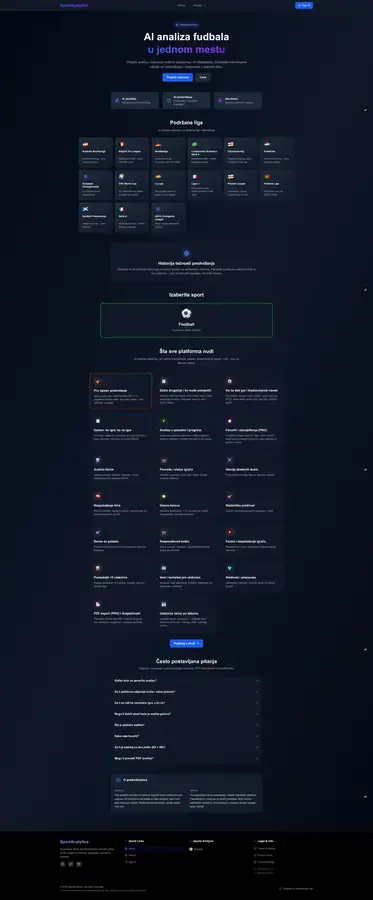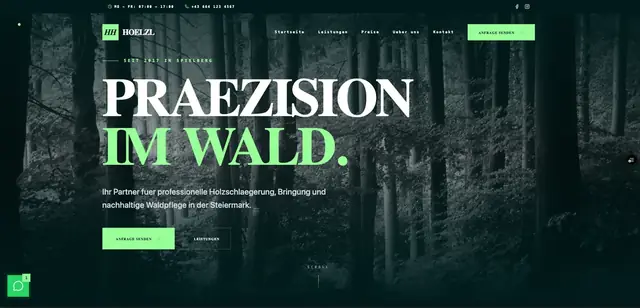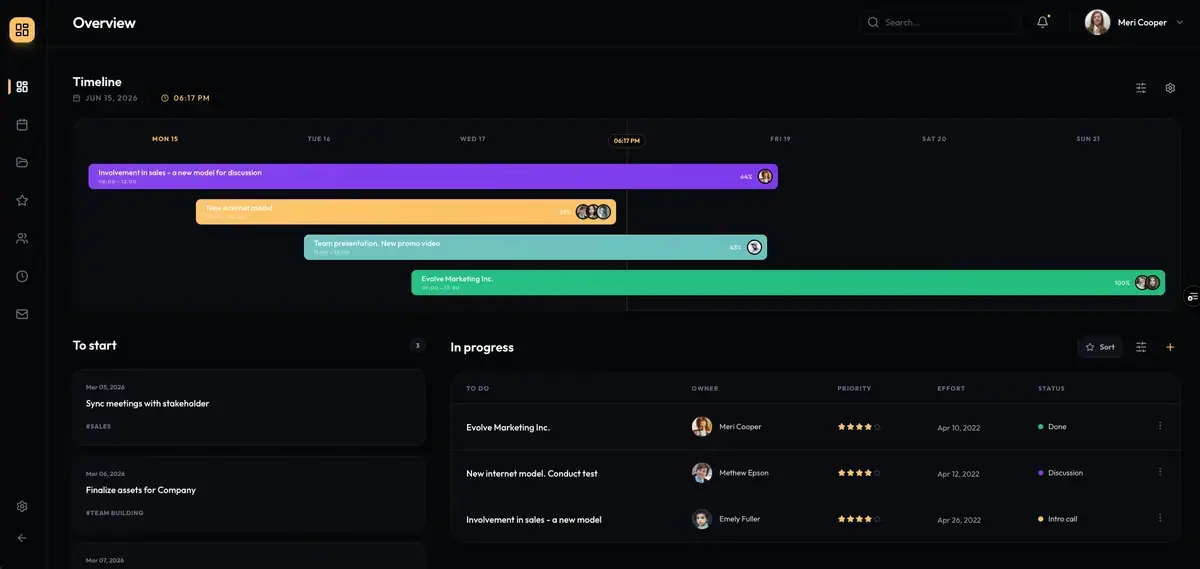
Not every digital problem is a public website problem. Sometimes the larger business value comes from an internal tool that reduces manual work, improves overview and connects daily processes.
Key takeaways
- A website sells the business, but an internal tool can improve operations.
- Dashboards, booking systems and CRM workflows can save time every day.
- The best solution often combines a clear website with a useful internal system.
When the website is not the bottleneck
If the company already gets inquiries but the team manages everything manually, the next improvement may be an internal tool. Excel files, repeated messages and unclear status updates can cost more than a weak homepage.
Examples of internal tools
Internal tools can be small and focused. They do not need to start as a large platform. A lean dashboard or booking workflow can already reduce friction.
- booking systems
- CRM workflows
- client portals
- project dashboards
- document and status tools
Start with an MVP
The safest approach is to map the process, choose the most repeated pain point and build a lean first version. Once the tool proves value, more features can be added.
Checklist
- Map the repeated manual process.
- Identify the biggest time loss.
- Decide which users need access.
- Build only the first useful workflow.
- Connect the tool with website forms where useful.
FAQ
When repeated manual processes, scattered data or unclear workflows cost time, create mistakes or slow down client communication.
If there is no clear online presence, start with the website. If operations are the bottleneck, an internal tool may create more immediate value.
Need a digital system for daily work?
Panic Digital can turn manual processes into dashboards, booking systems, CRM tools or lightweight internal web apps.
Originally published on panicdigital.com.