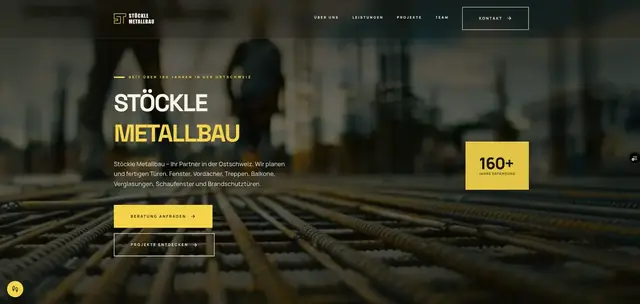
Manufacturers often have deep capability that is difficult to understand from the outside. The website should translate processes, materials, tolerances and industry experience into a structure that a technical buyer and a commercial buyer can both use.
Key takeaways
- Capability pages should answer technical questions without becoming unreadable manuals.
- Industries and applications give buyers a faster way to assess supplier fit.
- Quote requests improve when the site makes specifications and next steps easy to share.
Structure technical capability for two audiences
A manufacturing website often needs to serve engineers, procurement teams and executives at the same time. Each group asks different questions, but all need confidence that the supplier can meet the requirement.
Capability pages should cover processes, materials, size ranges, certifications, quality approach and typical applications. Start with a concise explanation, then make deeper technical information available for the people who need it.
Avoid hiding key details inside PDFs only. Useful HTML pages are easier to discover, update and link to when a buyer is comparing suppliers.
Use applications and sectors to show relevance
A technical capability can mean different things in aerospace, medical devices, energy or construction. Industry and application pages help the manufacturer demonstrate that it understands the constraints surrounding the component or product.
The content should be evidence-led. Mention standards, production requirements, documentation needs or supply-chain realities only where they are relevant and accurate. Generic sector pages add little value.
Project stories can reveal how the team solved a production, quality or lead-time challenge without exposing confidential design details.
Make the RFQ path fit how procurement works
A buyer may need to share drawings, quantities, material requirements or timing. The website should make that initial request straightforward while explaining what information helps the team assess fit.
Do not make a complex upload form the only option. A short project discussion, technical contact route and direct phone access can be just as important for an early-stage requirement.
The resulting workflow can be integrated with CRM, project tracking or internal systems so the commercial team is not rekeying the same brief into multiple tools.
Checklist
- Publish capability pages with real process and material information.
- Create application or industry pages where the expertise is genuine.
- Keep essential technical content accessible outside of PDFs.
- Provide RFQ, technical discussion and phone routes.
- Connect inquiry data to the commercial workflow without manual copying.
FAQ
It should include clear capability and process pages, materials and quality information, industry or application context, relevant project evidence, certifications and an RFQ flow that matches the way technical buyers work.
Create detailed, accurate pages for processes, materials, applications and industries. Keep the content crawlable, technically fast and structured around the questions buyers use when sourcing a supplier.
Planning a serious digital project?
Panic Digital builds high-performance websites, AI automation and custom software for companies that want better leads, faster operations and stronger digital systems.
Originally published on panicdigital.com.