Most agency websites look competent. Far fewer make it obvious why a particular client should hire that agency instead of sending the same brief to five others. The difference is positioning, proof and a path that respects how buyers compare partners.
Key takeaways
- A portfolio proves taste; a case study proves judgment and business impact.
- An agency should narrow the problem it is known for before it tries to look broad.
- The website needs to qualify opportunities as well as attract them.
Say what you are unusually good at
An agency website that says branding, social, paid media, strategy, web and content may be accurate, but it gives a buyer no reason to remember it. A strong site makes a useful choice about the problems the agency is best placed to solve.
That does not mean turning down all adjacent work. It means presenting a clear front door. An agency can be known for helping B2B companies launch, helping healthcare brands simplify complex offers or helping funded SaaS teams improve conversion.
Specific positioning also creates better pages. Services, case studies and insights can reinforce one another instead of each sounding like a different agency wrote it.
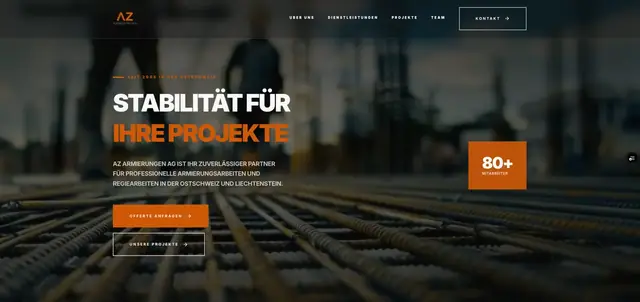
Replace the wall of logos with useful case evidence
A logo strip is a signal, not a story. Buyers want to understand the starting problem, the strategic decision, the work delivered and what changed after launch.
A good case study can be concise. It should explain why the client chose to act, what constraints mattered, what the agency changed and the evidence available after the work. When exact figures cannot be shared, describe the movement honestly rather than inventing a metric.
This is particularly important for agencies selling complex retainers. The client is buying thinking and execution, so the website needs to show both.
Make the new-business conversation easier to start
A generic Contact Us button asks a prospect to do the work of figuring out what happens next. Give the action a clearer frame: discuss a launch, request a website review, explore a campaign or check project fit.
The request form can collect budget range, timeline and the business problem without becoming a procurement obstacle course. The aim is to let the agency respond with context, not to create a perfect brief before the first call.
Fast performance matters here too. It is hard to sell digital competence with a slow portfolio that takes seconds to become usable.
Checklist
- Define the problem or buyer segment the agency wants to be known for.
- Turn selected projects into outcome-led case studies.
- Use service pages to explain process, scope and fit.
- Give each primary CTA a specific next-step promise.
- Measure which case studies and services influence qualified inquiries.
FAQ
An effective agency website has clear positioning, relevant case evidence, service pages that explain how the agency works and a low-friction path to a qualified new-business conversation.
It depends on the offer. Agencies do not need to publish fixed prices for custom work, but they should communicate minimum engagement levels or project fit when that helps filter poor-fit leads.
Planning a serious digital project?
Panic Digital builds high-performance websites, AI automation and custom software for companies that want better leads, faster operations and stronger digital systems.
Originally published on panicdigital.com.